In this article, we'll show you how to choose the right counter for your kitchen, what design options are available, and how to make the most of your space with the right height and placement.
Curious? Then keep reading!

Why a kitchen counter?
A kitchen island can become the centerpiece of your kitchen and offers many benefits. It makes the most of your space—especially in a kitchen with an island—and creates extra room for everything that comes up in daily life. Whether it’s quick meals, a glass of wine in the evening, or meal prep—the countertop offers a practical solution, especially in open-concept kitchens, where it serves as a harmonious link between the living and cooking areas.
The best part is its versatility. You can use your kitchen island flexibly—as a dining area, a work surface, or even a small bar for cozy evenings with friends. It adapts to your needs, transforming your kitchen into a multifunctional space.
Socializing also plays a major role. A kitchen island is the perfect place to gather with family or friends. While you’re cooking, you can chat comfortably without having to shut yourself off from the rest of the room. Your counter becomes a cozy gathering spot—whether for family breakfast or a chat with guests.
So with a kitchen counter, you’re not only adding more storage space and functionality to your kitchen, but also a personal touch that makes the room cozier and more inviting.
The Right Kitchen Counter for Your Space
Choosing the right kitchen countertop depends largely on the size and layout of your kitchen.
Here are a few tips to help you make the most of your space.

Small Kitchens: Compact and Practical
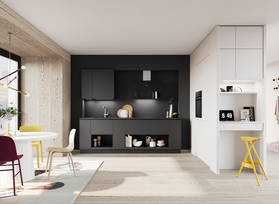
In small kitchens (see the blog post “Kitchens for Small Spaces”), a compact kitchen counter is a great option—it can either serve as an extension of the countertop or stand freestanding without making the room feel cluttered. A counter like this creates additional space for meals or food preparation without making the room feel cluttered. Especially in tight spaces, a well-designed kitchen with a counter can provide a clever solution for extra storage and functionality.
Large Kitchens: A Central Focal Point with Plenty of Storage Space
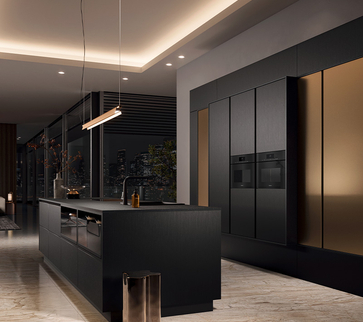
Large kitchens offer the opportunity to design a spacious layout with a freestanding or central kitchen counter. These counters not only provide plenty of storage space but also serve as visual focal points that give the kitchen structure. You can use a kitchen with a counter as a central island or as a divider between the cooking and living areas. This allows you to create a clear division without losing the open feel of the space.
Open Spaces: A Stylish Transition Between the Kitchen and Living Area
In open-concept kitchens, where the kitchen flows into the living or dining area, a kitchen counter is a great option that can be used as a bar or dining table. A stylishly placed counter helps visually divide the space while creating a harmonious overall look. This turns the kitchen with a counter into a multifunctional centerpiece
that brings together cooking, dining, and socializing.
If you need help planning your perfect kitchen counter,
take a look at the Häcker Kitchen Planner
—here you’ll find plenty of inspiration for any room size.
Try the 3D Planner now

Design Options for Your Kitchen Counter
When designing your kitchen counter, there are many ways to tailor it perfectly to your kitchen and your style. Here are some key design options to help you find a counter that’s both functional and aesthetically pleasing.
Choosing Materials: The Style of Your Kitchen Countertop
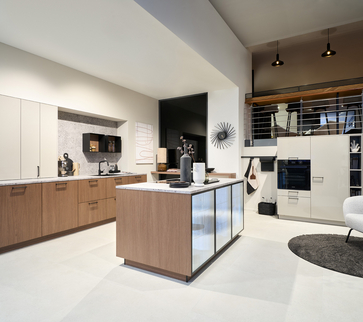
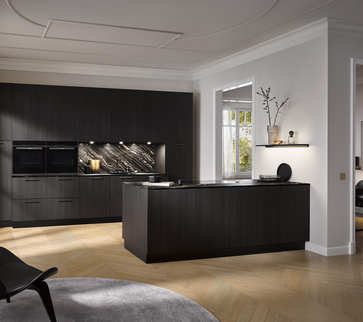
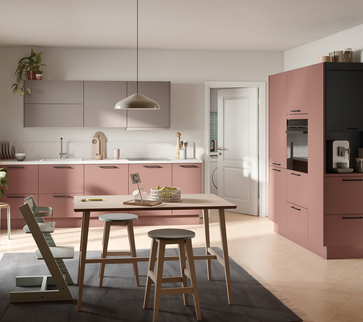
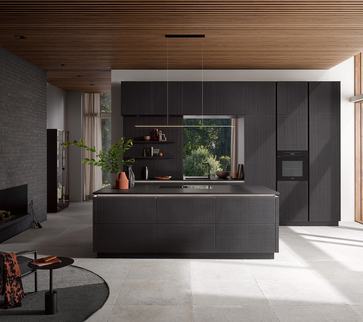
Choosing the right material defines the overall look of your kitchen counter. A wood-look finish is ideal for creating a warm, rustic atmosphere. It adds warm accents to your kitchen and creates a cozy ambiance. If you prefer a modern, minimalist style, you can opt for smooth, light-colored surfaces, glass, or matte lacquered fronts, which exude understated elegance and pair well with other elements. For a luxurious design, natural stone or ceramic is the perfect choice. These materials provide a high-quality look and are also highly resistant to heat and scratches. If you like your kitchen to be colorful, consider kitchens in our NCS colors, which can be custom-mixed to give your kitchen exactly the unique touch you desire.
Shapes and Styles: Which One Is Right for Your Kitchen?
The shape of your kitchen counter is an important factor in integrating it seamlessly into your kitchen layout. Straight counters fit into almost any kitchen design and offer a clean, simple structure. Semicircular or U-shaped counters are particularly popular in open-concept kitchens, as they define the space while creating generous work surfaces. Choose a shape that not only complements your kitchen aesthetically but also serves its intended purpose. Will the kitchen counter primarily serve as a dining area or as a workspace? The answer to this question will determine which counter shape is ideal for you.

Built-in Storage: More Functionality in the Kitchen
A kitchen counter can do more than just look good—with cleverly integrated storage spaces, it becomes a real everyday helper. Imagine, for example, open shelves where you can display your favorite cookbooks or decorative storage jars. Or drawers right under the countertop where cutlery, napkins, or small kitchen appliances are stowed away within easy reach. Even a narrow wine rack can be stylishly integrated
—ideal for displaying bottles decoratively.
This way, your kitchen with a countertop isn’t just visually enhanced, but also functionally expanded—perfect for anyone who loves organization and wants to make the most of every centimeter.
Still missing the right accessories? In our selection of kitchen accessories, you’ll find clever additions to customize your countertop exactly to your liking.
What is the ideal height for a kitchen counter?
Choosing the right height for your kitchen counter is crucial to ensuring comfort and functionality in your kitchen.
Here, you'll learn about the available options and how to find the perfect height for your needs.

Standard Height: Functional and Versatile
The classic counter height is about 90 cm, which corresponds to the standard height of a countertop. This height is ideal if you plan to use the kitchen counter primarily as an additional work surface or for food preparation. It offers ample space and is ergonomically sound, as it integrates seamlessly into the natural flow of movement while cooking. If the counter is also intended to serve as a dining table or a gathering spot, it provides a comfortable height for standing conversations or a quick snack between meals.
High Counter: A Bar-Like Atmosphere for Your Kitchen
If you prefer a tall kitchen counter, you can choose models that are 110 to 120 cm high. These options work especially well as breakfast bars or small home bars. They give your kitchen a modern, elegant feel and serve as a visual focal point in the room. Combined with matching bar stools and atmospheric kitchen lighting, they create a casual atmosphere that’s perfect for social gatherings or a relaxed breakfast.
Seat Height: Comfortable Bar Stools
If you plan to use your kitchen counter as a place to sit, the right seat height is crucial. As a general rule, bar stools with a seat height of 65 to 75 cm pair well with counters that are 90 to 110 cm high. Make sure there’s enough legroom and that the stools are comfortable—that way, the counter will quickly become a popular gathering spot in your kitchen.


Customizations to Meet Individual Needs
When planning your kitchen counter, you should also take individual needs into account. For example, the height can be adjusted for people with physical limitations to maximize comfort. Special usage scenarios—such as a counter that serves as both a workspace and a dining area, or a kitchenette for your office—may also require flexible height solutions. The right decision therefore always depends on the desired function and your personal preferences.
By choosing the optimal height for your kitchen counter, you’ll not only create additional space but also a comfortable, multifunctional area that fits perfectly with your kitchen design.

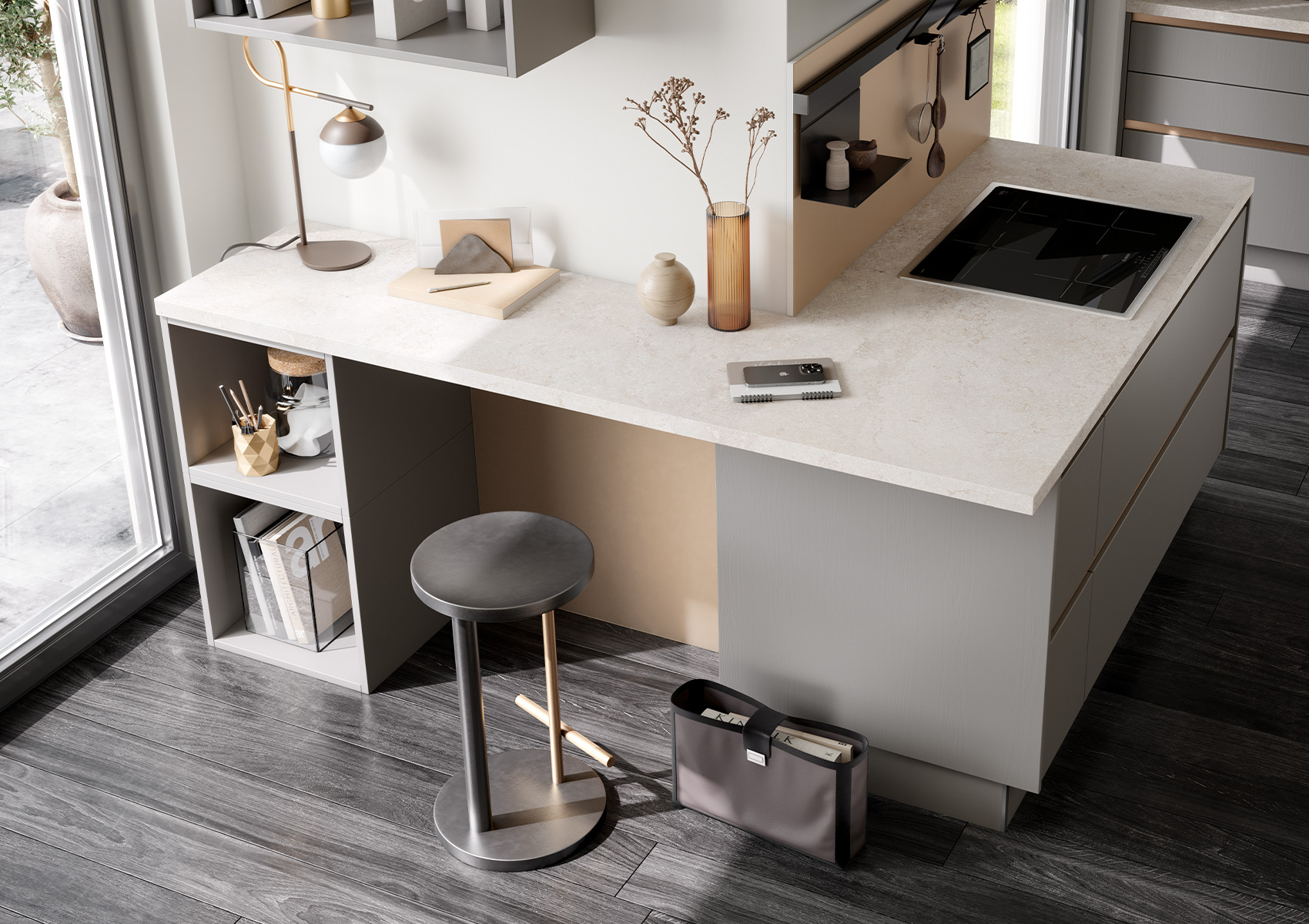
Kitchen Counter vs. Kitchen Island: Which Is a Better Fit for Your Kitchen?
The choice between a kitchen counter and a kitchen island depends largely on the available space and your individual needs. Both options offer attractive ways to design your kitchen area to be both functional and stylish. But which one is a better fit for your kitchen? Here, you’ll learn about the advantages of both options and which solution is ideal for your kitchen.
Kitchen Counter: Flexible and Space-Saving
A kitchen counter is the perfect solution if you want to create a visual separation between the kitchen and living area without taking up too much space. A kitchen counter offers many advantages, especially in smaller spaces: It can be used as an additional dining or work area and integrates elegantly into open-concept kitchen-living rooms. At the same time, the counter allows for more freedom of movement and appears less bulky than an island,
making it ideal for compact kitchens with a counter.
Furthermore, a kitchen counter promotes socializing, as it serves as an excellent gathering spot for family and guests. So if you’re looking for a flexible and space-saving solution, a kitchen counter is a great choice.
Kitchen Island: The Heart of Larger Kitchens
A kitchen island, on the other hand, is particularly well-suited for large kitchens where more storage space and a central work surface are needed. It not only offers additional drawers and shelves but
also space for larger appliances such as a stove or sink. An island is the heart of the kitchen and creates a spacious work surface that’s ideal for elaborate meal preparation or cooking together.
In open-concept layouts, the kitchen island also serves as a clear boundary between the kitchen and the living area. However, it requires sufficient space to blend harmoniously into the room’s layout. In a smaller kitchen, on the other hand, it can quickly appear cluttered. Get inspired by our blog post on kitchen islands.
Combination of a kitchen counter and a kitchen island
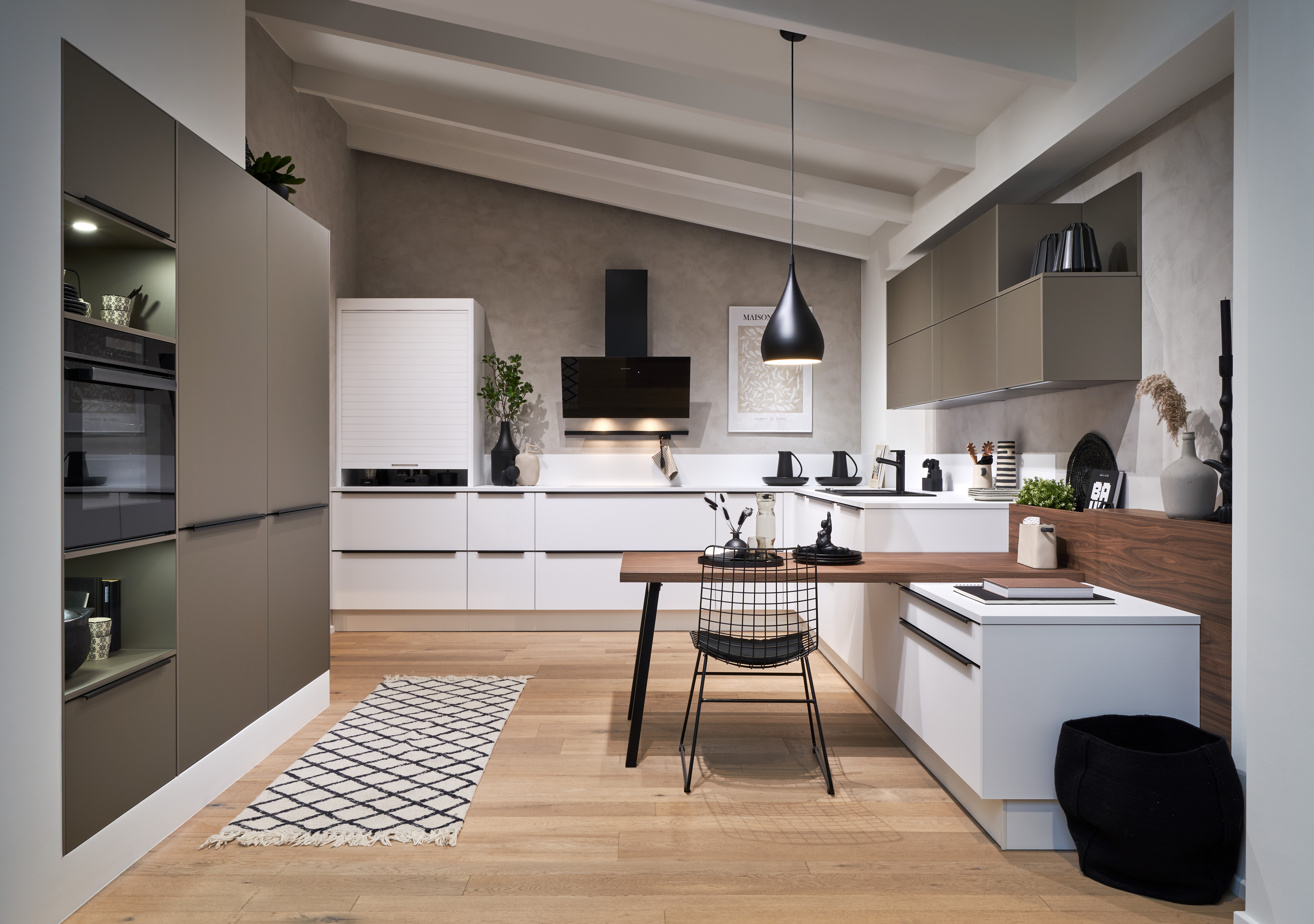
In large, open-concept kitchens, a combination of a kitchen counter and a kitchen island is also a possibility. Together, these two elements can create a multifunctional space that combines storage, a dining area, and a place for socializing. While the island serves as the main work area, the counter can be used as a bar or seating area. This combination offers the best of both worlds and transforms your kitchen into a place
where work and enjoyment blend seamlessly.
Ultimately, the decision depends on how much space you have available and which features are most important to you. Whether you choose a kitchen counter or a kitchen island
—with the right kitchen design, your kitchen will be both practical and stylish.

Practical Tips for Installing a Kitchen Counter
Installing a kitchen counter can not only enhance the look of your kitchen but also significantly improve its functionality. However, to make the most of a kitchen with a counter, there are a few important points to keep in mind. Here are some practical tips for installing a kitchen counter so that it fits perfectly into your kitchen layout and you can make the most of it.
Placement: Ensure sufficient freedom of movement
A key factor in installing a kitchen counter is proper placement. The counter should be positioned so that it does not disrupt the flow of traffic in the kitchen. Allow for sufficient space to move around between the different work areas—especially when you’re working, cooking, or chatting with guests in a kitchen with a counter.
Make sure the counter isn’t in the way but rather supports the workflow in the kitchen.
Plan for Power Supply
If you want to use your kitchen counter as a bar or an additional workspace, you should also consider the power supply. Electrical appliances such as blenders, coffee makers, or lighting require outlets that are easily accessible near the counter. A well-planned electrical outlet can significantly increase convenience and enhance the functionality of the kitchen counter.
In addition, built-in LED lights or outlets can positively influence the counter’s ambiance.
Professional Installation in the Kitchen
To ensure that your kitchen counter is not only functional but also visually appealing, it is recommended that you have it installed by a professional. Precise and safe installation is crucial, especially if the counter is planned as an extension of the existing countertop or as a freestanding island.
For freestanding structures—especially an island with an integrated counter—it’s essential to include a tilt-proof mechanism that securely anchors the counter to the floor. It’s also important to consider structural factors, such as existing radiant floor heating, to prevent damage.
Professional installation also ensures that the counter is perfectly matched to the height, material, and style of your kitchen. This allows the kitchen counter to blend harmoniously into the overall design
—and provides safe, practical added value in everyday life.
Kitchen Island and Chairs: The Right Choice for Comfort and Style
A kitchen counter isn't just a practical workspace and dining area—it's also a place where you want to sit comfortably and relax. To ensure comfort, choosing the right chairs plays a crucial role. Here are some tips for choosing the right chairs for your high counter or kitchen bar.
Types of Chairs: Bar Stools, Stools, or Swivel Chairs?
There’s a wide selection of chairs for your kitchen counter. Classic bar stools are an elegant choice, while simple stools have a minimalist look and are easy to store. Swivel chairs offer additional comfort and flexibility, especially if the counter serves as a gathering spot in the kitchen. It’s important that the chairs are the right height for the high counter—this ensures plenty of legroom and optimal seating comfort.
Materials and Comfort: Style Meets Functionality
The chairs should not only complement the style of your kitchen counter but also be comfortable and sturdy. Materials like wood give your kitchen counter a rustic charm, while metal and leather add modern accents. Make sure the seats are well-padded, especially if the chairs are used frequently. This way, they’ll remain comfortable even during long meals or social evenings.
Adjustable Chairs for Flexibility
If the high counter is used by different people, adjustable stools are ideal. They can be adjusted to suit different heights and comfort needs. Adjustable bar stools also allow you to vary the seat height to match the counter height, which is especially practical for multifunctional kitchen counters.
With the right combination of design, materials, and functionality, your kitchen counter will become the perfect place to relax and spend time together—without sacrificing comfort.
Conclusion: Is a kitchen island worth it for your kitchen?
A kitchen counter isn’t just a stylish element—it’s also an extremely practical solution. It combines multiple functions in a single space and can serve as a workspace, dining area, or bar. Especially in open-concept kitchens, a kitchen with a counter helps structure the space while creating a cozy atmosphere.
In addition, a kitchen counter helps make the space appear larger without cluttering it. When planning your budget, consider the various designs and functions that a kitchen with a counter can offer to find the solution that’s right for you. Overall, a kitchen counter is a worthwhile investment that offers both aesthetic and functional benefits for your kitchen.
Find
a Häcker kitchen dealer now Buy
a kitchen now
FAQ About Kitchen Counters
How tall is a kitchen counter?
The standard height of a kitchen counter is about 90 cm, which corresponds to the height of a standard countertop. For a tall counter or a kitchen with a bar counter, you can choose models with a height of 110 to 120 cm, which are ideal for use as a breakfast bar or bar.
Can I install a kitchen countertop myself?
Yes, in principle, you can install a kitchen counter yourself, especially with models that serve as an extension of the countertop. However, for larger or freestanding counters, it’s advisable to consult a professional, especially when it comes to adapting them to the existing kitchen layout or installing StKORFU connections.
What kind of chairs go well with a high counter?
Bar stools or stools with a seat height of about 65–75 cm are suitable for a high counter. Make sure the stools match the height of the kitchen counter and are comfortable, especially if the counter is also used as a place to sit. Adjustable stools offer additional comfort and flexibility.
Is a kitchen island suitable for small kitchens?
Yes, a kitchen counter can be a very practical solution even in small kitchens. A compact kitchen with a counter provides extra space without cluttering the room. It can be used as an extension of the countertop or as a freestanding kitchen counter that saves space while still offering plenty of functionality.