Tea kitchen or office kitchen—it’s the intended use that makes the difference
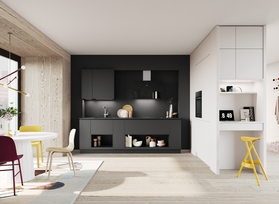
Although the terms “tea kitchen,” “mini-kitchen,” and “office kitchen” are often used interchangeably, they differ significantly in concept and purpose. A tea kitchen or mini-kitchen is deliberately kept simple: It offers exactly what’s needed for drinks, small snacks, and short breaks—such as a kettle, a microwave, and a compact refrigerator. This makes it ideal for work environments where the focus is primarily on quick refreshments or snacks between tasks.
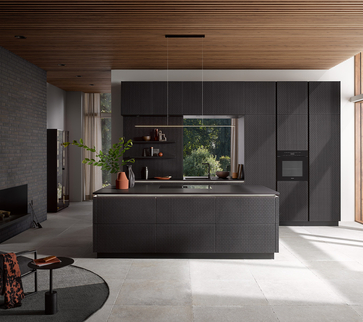
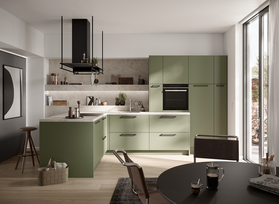
A traditional office kitchen, on the other hand, is more fully equipped and modeled more closely after a home kitchen. Here, employees can prepare full meals and eat together. A stove, a large refrigerator, more counter space, and often even a dishwasher are typically included. Accordingly, the office kitchen usually offers more space and a cozier atmosphere with seating for longer breaks.
In short: The tea kitchen or mini-kitchen is the space-saving, efficient solution for basic needs. The office kitchen, on the other hand, is the comfortable, versatile option that complements the workplace with a true break room.

How big does a kitchenette need to be?
Employers are not required to provide a separate kitchenette. However, they must ensure that employees have the opportunity to take breaks and eat.
The size and amenities of the kitchenette depend on the number of employees and how frequently it is used. For small teams of about five to ten people, a compact kitchenette in a niche or a small room of about 4 to 6 m² is often sufficient, provided no additional seating area is needed. In larger offices with 20 or more people, a separate room that meets the requirements of a break room is recommended. This room should have enough space for several people at once (at least 10 to 15 m²) to avoid crowding and encourage social interaction.
Equipment – What Should a Kitchenette Have?
A well-equipped kitchenette makes everyday office life or a visit to the doctor’s office much easier. But what does a kitchenette really need? With the right appliances, some dishes, and smart storage solutions, even a tiny kitchenette can become an efficient place to take a break.
Electronic Devices
The heart of any tea kitchen is its appliances. A tea kitchen with a refrigerator is especially convenient, as it keeps drinks, milk, and small snacks fresh.
Other important appliances include:
- Coffee maker or fully automatic coffee machine
- Electric kettle for tea and instant soups
- Microwave for quick reheating (optional: toaster or sandwich maker)

Dishes and Cutlery
The quantity depends on the number of users—often, 1.5 to 2 times that amount per shift is sufficient. We recommend:
- Cups, mugs, and glasses
- Shallow and deep plates
- Cutlery sets, including teaspoons
- Cereal bowls
- Small kitchen knives and cutting boards
Smart Storage
Since kitchenettes often have limited space, smart storage solutions are essential:
- Wall shelves for mugs and pantry items
- Organizers for cabinets, such as shelves or pull-out baskets
- Clear storage containers for coffee, tea, sugar, or cereal
- Hook rails for cups or kitchen utensils
- Narrow shelves in kitchen niches
Tip: To ensure that any employee can take on tasks—such as refilling the coffee beans—labels and instructions on the appliances are helpful.

Buying a kitchenette – What should you look for?
Choice of Materials
Choose low-maintenance and durable materials for the countertop and sink. Seamless joints are particularly practical, as they make cleaning easier and prevent mold growth. A sturdy floor covering is also important to ensure that the kitchenette can withstand daily use.
Device Selection
When selecting equipment, it’s worth taking the team’s needs into account. Commercial-grade appliances can be particularly useful in high-traffic offices: dishwashers with short wash cycles, high-capacity fully automatic coffee machines capable of brewing many cups, or appliances with a high energy efficiency rating to reduce operating costs. If necessary, structural modifications—such as a permanent water connection for the coffee machine or a ventilation system—should be planned for.
Budget Planning
When purchasing an office kitchen unit, it’s important to consider both the initial cost and the ongoing operating costs—which include energy consumption, restocking supplies, and appliance maintenance.
Tips from the Pros
It’s best to consult a professional kitchen designer. This will ensure that the office kitchen unit is perfectly tailored to the available space, the number of users, and daily workflows.

Design Tips – The Kitchenette as a Place to Gather
In the modern office, the break room has long since evolved from a mere utility space into a social hub. A well-designed mini-kitchen can foster communication, boost employee satisfaction, and make short breaks more enjoyable.
Location and Accessibility
The layout is crucial: The kitchenette should be centrally located and easily accessible, but separated from the main work area both acoustically and visually so as not to disrupt the workflow. Avoid through traffic and open floor plans that turn the kitchen into nothing more than a passageway. Direct access to a small lounge area encourages spontaneous interactions.
Lighting: Ambiance Rather Than Task Lighting
Lighting plays a crucial role in setting the mood. Warm-white LEDs (approx. 2,700 to 3,000 Kelvin) create a sense of relaxation and coziness, while accent lighting—such as pendant lights or dimmable spotlights—highlights specific areas.
Creating Zones: Cooking and Relaxing
Even in a small space, you can define different zones. The kitchenette serves as the functional zone—for getting water, making coffee—while a social zone invites you to linger. A bar counter with stools provides space for brief, informal conversations, while a small seating area with two chairs or a sofa creates a more relaxed atmosphere.

Materials, Colors, and Plants
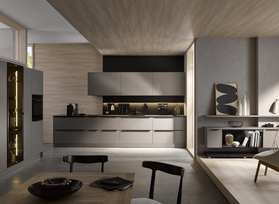
Materials reminiscent of living spaces create a cozy atmosphere. Wood-grain finishes or textured surfaces feel warm and inviting, while cheerful color accents in wall paint or accessories set the room apart from the rest of the office furnishings. Houseplants improve indoor air quality, add a touch of life, and take up very little space. Elements of the company’s branding can be subtly incorporated, especially when customers see the kitchen.
The Coffee Spot as the Centerpiece
The fully automatic coffee machine is often the centerpiece of the break room. A neatly organized area for coffee capsules, milk, and sugar—along with small touches like a chalkboard with inspiring quotes or information—creates a “coffee spot” that makes the room especially inviting.
The Tea Kitchen – A Small Kitchen with a Big Impact
A well-planned kitchenette saves space, streamlines workflows, and becomes a gathering spot for quick breaks and casual conversations in the office. Whether it’s a medical practice, law firm, or seminar room—the mini-kitchen boosts both efficiency and satisfaction.
Try it out for yourself: With our digital kitchen planner, you can explore different designs from Häcker Küchen and put together your own custom office kitchen unit.