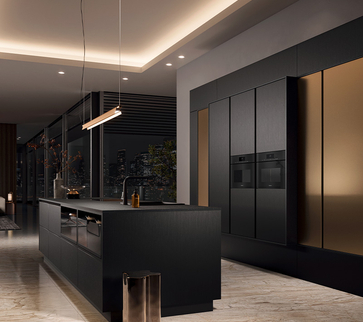
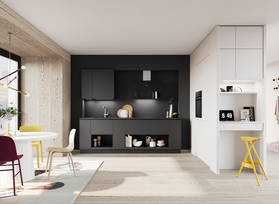
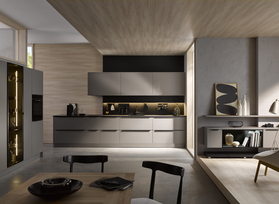
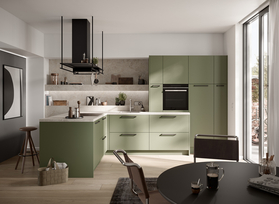
In this article, we’ll show you how to design your kitchen without upper cabinets and what creative storage solutions are available. We’ll explore the various design options, give you practical planning tips, and reveal the costs and time commitment involved in such a project. Discover how to turn your kitchen into an eye-catcher—without compromising on functionality!
Advantages of a Kitchen Without Wall Cabinets
A kitchen without wall cabinets isn't just a trend—it offers many benefits that enhance your home. Let the practical and aesthetic advantages of this modern kitchen solution inspire you:

Visual Depth and Sense of Space
Imagine how much bigger and more airy your kitchen will look without the upper wall cabinets. The space immediately feels more open and spacious—which is often a real advantage, especially in smaller kitchens. A kitchen layout without upper cabinets makes even tight spaces appear more spacious and creates a pleasant, open atmosphere where you’ll feel right at home.
Better lighting conditions
Without wall cabinets, natural light can flood into the room unobstructed, making your kitchen brighter and more inviting. This creates a warm, welcoming atmosphere that not only brightens the space but also makes working in the kitchen more enjoyable. A modern kitchen without upper cabinets is particularly well-suited for anyone who loves plenty of natural light and appreciates an open, light-filled environment.
Design Freedom
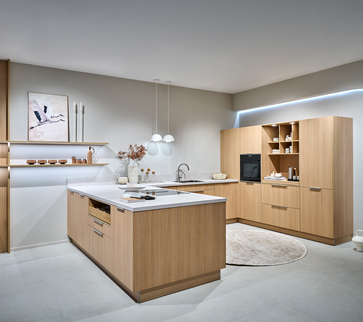
A kitchen without upper cabinets gives you much more freedom to customize the design. The walls are entirely at your disposal to decorate your built-in kitchen—without wall cabinets—just the way you want. Whether you’d like to adorn a wall with select tiles, artwork, or open shelves—the possibilities are virtually endless.
Modern Aesthetics
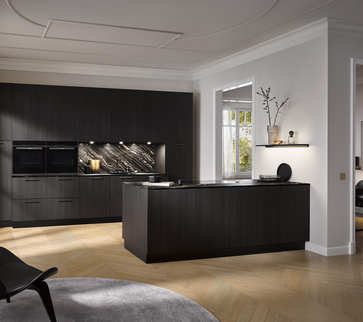
The absence of upper cabinets gives your kitchen a modern, minimalist look that creates a sense of calm and clarity. A kitchen without upper cabinets exudes elegance and simplicity, which fits particularly well with an open-concept living space. The room appears uncluttered and, at the same time, timelessly beautiful.
With a kitchen without wall cabinets, you not only gain more space but also bring a stylish, modern atmosphere into your home. This solution combines practical benefits with an airy aesthetic—for a kitchen designed entirely according to your wishes and needs.

Storage Solutions for a Kitchen Without Wall Cabinets
Even without traditional wall cabinets, you don't have to sacrifice ample storage space. There are many practical solutions that meet your storage needs while maintaining an open, airy atmosphere.
Using Base Cabinets
In a kitchen without wall cabinets, base cabinets play a crucial role in storing kitchen utensils, pantry items, and dishes. Since the space on the walls isn’t used for wall cabinets, it’s important to optimize the storage space in the lower area. An important factor here is the depth of the base cabinets.
Bonus Tip: Thanks to the new systemat pull-outs, which come standard with a depth of 61 cm at no extra charge, storage space can be increased by about 10% compared to conventional 56-cm-deep pull-outs. This extra depth provides more room for large pots, pans, or kitchen appliances—a real advantage if you don’t have upper cabinets.
In addition to deep pull-outs, there are also numerous clever corner solutions that make even the most awkward areas of the kitchen usable. Swivel pull-outs and carousel cabinets ensure that no storage space is wasted and every corner is put to good use. This allows you to make the most of the available space in a kitchen without wall cabinets, without sacrificing comfort or accessibility. Our article on corner cabinets in the kitchen shows which variant works best for which layout.
Open shelves as a substitute for wall cabinets
Open shelves are a stylish and functional alternative for creating storage space in a kitchen without wall cabinets. They offer a great way to display kitchen utensils or decorations. Open shelves really stand out, especially in a kitchenette without tall cabinets, while also creating a modern look. They allow you to keep frequently used items quickly within reach without cluttering the space.
Cooking Island
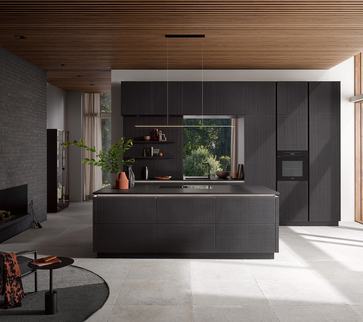
A centrally located kitchen island is an excellent way to create additional storage and counter space. It not only serves as a practical workspace but also offers plenty of storage options, whether in the form of drawers, shelves, or built-in trash cans. In an open kitchen without wall cabinets, a kitchen island fits in perfectly and makes the space even more functional. To learn what matters when it comes to dimensions, spacing, and connections, read our guide to planning a kitchen island.
Tall cabinets in a kitchen unit without wall cabinets
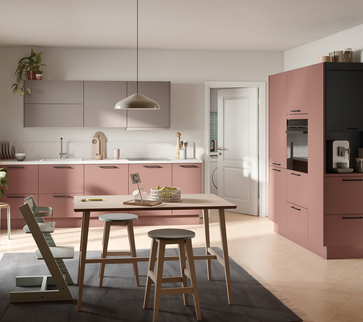
Tall cabinets offer an excellent alternative to traditional wall cabinets. They take up very little space and provide plenty of storage without making the room feel cramped. A kitchen unit without wall cabinets can still provide ample storage space through the strategic use of tall cabinets. These can be used either as pantry cabinets, to house appliances, or as functional storage solutions.
With these storage solutions, you can design your kitchen without wall cabinets to be not only aesthetically pleasing but also extremely functional. This way, you’ll have enough space for everything you need while creating a modern, open atmosphere. Our article on kitchen organization provides additional tips for making efficient use of your kitchen without upper cabinets.
Design Options for a Modern Kitchen Without Wall Cabinets
A kitchen without wall cabinets offers plenty of room for creative design possibilities. Thanks to the open, airy feel, you can use just a few carefully chosen elements to create a kitchen that’s both modern and functional. Here are some tips on how to design your kitchen in a stylish and personalized way:

Wall Design
In a kitchen without wall cabinets, the walls take center stage. Without wall cabinets, there’s more room for creative wall designs. Here are a few ideas:
• Tiles: Tiles aren’t just functional—they’re also a great design element. Choose simple, large tiles in white or gray, or add accents with unique patterns or colors. You can also spruce up niche cladding with tiles. At Häcker, you can also choose from motifs such as dandelions, beach scenes, and much more, or simply opt for frosted glass.
• Wood paneling: A wall with wood paneling gives your kitchen a warm, natural feel. Especially when paired with a modern color scheme and minimalist furniture, wood can create the perfect balance between modern and cozy design.
• Open Shelves: If you want to make the most of the space, you can also install open shelves on the wall. This creates additional storage space while adding a modern element to the design.
Choice of Materials and Colors
Choosing the right materials and colors is crucial for the overall look of your kitchen without wall cabinets. Minimalist and subdued color combinations are particularly popular, as they make the room appear bright and modern.
• White and gray: These colors create a clean, serene atmosphere. White makes the room appear larger, while gray adds a subtle, elegant accent.
• Wood: Wood brings warmth and a lively grain to the room. A beautiful wooden shelf or wood paneling on the wall creates a cozy atmosphere and contrasts beautifully with white or gray surfaces.
• Accent colors: If you want to add a pop of color, you can use accent colors like soft blue or muted shades of green, which give the kitchen a fresh, modern touch without making the room feel cluttered.


Designer Lighting
Lighting is an important factor in any kitchen, especially if you choose not to have upper cabinets. In a kitchen without upper cabinets, well-planned lighting can create a pleasant atmosphere while also highlighting certain areas:
• Wall sconces: A stylish wall sconce can not only provide functional light but also serve as a decorative element in your kitchen. Lights with a minimalist design are particularly attractive, complementing the space without dominating it.
• Under-cabinet lights: LEDs mounted beneath the shelves provide even, practical lighting and make your countertops shine. They’re especially practical because they illuminate the space well without requiring additional, conspicuous lights.
• Pendant lights: Pendant lights look especially good above a kitchen island or a dining table. They not only provide ample light but also contribute to the design and add stylish accents. Choose models that complement the minimalist style of your kitchen, such as lights from Häcker.
With these design options, you can turn your modern kitchen—even without wall cabinets—into a functional yet stylish space that meets both your practical needs and your aesthetic preferences.
Who is a kitchen without wall cabinets best suited for?
A kitchen without wall cabinets isn't just an aesthetic statement—it's also a functional choice. But is this kitchen style right for everyone? We'll take a look at different living situations and help you determine whether a kitchen without wall cabinets is the right choice for you.
Open-Concept Kitchens
For homes with an open-concept kitchen, a kitchen without wall cabinets is often the perfect solution. In open living spaces where the kitchen and living room flow into one another, doing away with wall cabinets creates a harmonious, airy atmosphere. This creates a seamless connection between the spaces, making the room feel larger and more inviting. Especially in modern, open floor plans, omitting wall cabinets can enhance the design of the entire home.
Small Kitchens
It may sound counterintuitive, but in small kitchens, doing without wall cabinets can also be particularly beneficial. The room immediately feels much larger and more airy when the walls remain unobstructed. Without upper cabinets, you have a better view of the room, which not only improves the appearance but also enhances the sense of spaciousness and openness. This way, even a small kitchen can look functional and modern without appearing cluttered.
Modern-minimalist homes
For people who prefer a modern, minimalist lifestyle, a kitchen without upper cabinets is an ideal design element. Less is more—and this approach is perfectly achieved by doing away with upper cabinets. The clean, uncluttered look creates a serene, almost sculptural aesthetic. For those who want a neat, elegant kitchen without unnecessary distractions, a kitchen without upper cabinets is a great choice.
Accessible Kitchens
A kitchen without wall cabinets can also be a smart choice for accessible kitchens. For older adults or people with limited mobility, it can be helpful to have all essential kitchen utensils stored at an accessible height. Without upper cabinets, there’s no risk of bumping into hanging shelves or cabinets or having to put away items that are hard to reach. This makes using the kitchen safer and more comfortable.
Practical Tips for Planning a Kitchen Without Wall Cabinets
Designing a kitchen without wall cabinets requires special consideration to ensure it is both functional and aesthetically pleasing. Here are some helpful tips on how to make the most of your space and find the best solutions for your kitchen.

Optimal Storage Planning
Since there are no wall cabinets, it’s especially important to organize the storage space intelligently.
• Base cabinets: In kitchens without wall cabinets, these become the main storage area. Use deep pull-out drawers to store pots, pans, and dishes where they’re easily accessible. Pull-out systems that make it easy to access all items are especially practical.
• Corner cabinets: To avoid wasting valuable space, corner cabinets with rotating elements or carousels are a smart solution. They ensure that even the farthest corners are used optimally.
• Tall cabinets: If space allows, you can incorporate tall cabinets along another wall. These provide additional storage space for large kitchen utensils, pantry items, or appliances. A kitchen unit without upper cabinets is complemented by tall cabinets while still maintaining an open, airy look.
Ergonomics and Accessibility
When planning a built-in kitchen without wall cabinets, ergonomics play a key role. All essential utensils and appliances should be easily accessible and placed ergonomically.
• Base cabinets are the key to an ergonomic kitchen, as they provide the majority of storage space. Be sure to place frequently used items at hand height.
• Kitchen appliances such as the oven or microwave should also be installed in an ergonomically sensible way, preferably in tall cabinets at a comfortable height. This helps you avoid the hassle of bending over and ensures a comfortable workflow.
• The workflow in the kitchen should be seamless. Plan your countertops so that you have enough space for prep, cooking, and cleanup.
Lighting and Work Surfaces
Without upper cabinets—which are often equipped with built-in lights—well-planned kitchen lighting is all the more important.
• Natural light sources: Use windows or glass surfaces to let as much natural light into your kitchen as possible. A bright and welcoming atmosphere makes working in the kitchen more enjoyable.
• Wall sconces and pendant lights: Opt for targeted light sources that optimally illuminate your work surfaces. Under-cabinet lights, which can be mounted beneath shelves and provide even illumination, are particularly practical.
• Accent lighting also plays an important role in modern kitchens. With stylish pendant lights above the kitchen island or warm wall sconces, you can create a cozy ambiance and highlight the unique architecture of your kitchen.
With these tips, you can tailor your kitchen—even without wall cabinets—to perfectly suit your needs and make the most of your space—both functionally and aesthetically.

Costs and Time Required for Planning a Kitchen Without Wall Cabinets
Choosing a kitchen without wall cabinets can have not only aesthetic implications but also financial and time-related implications. But what exactly are the costs and the planning effort involved? Here you’ll find a realistic assessment to help you make your decision.
Price Considerations: Cheaper or More Expensive?
Whether a kitchen without wall cabinets is cheaper or more expensive than a traditional kitchen depends heavily on various factors. At first glance, it may seem as though fewer cabinets equate to lower costs, but that is not always the case.
• Choice of materials: High-quality materials for base cabinets, countertops, and wall finishes (e.g., tiles or wood paneling) can increase costs. Modern, minimalist kitchens in particular often call for especially elegant finishes, which affect the price.
• Design and extras: If you want to customize your kitchen without wall cabinets—for example, with open shelves, special lighting solutions, or a kitchen island—this can also drive up the cost. It therefore depends on which extras and details you want.
• Tall cabinets as an alternative: If you opt for tall cabinets instead of wall cabinets, the price may be similar to that of conventional kitchens. However, these often offer more storage space and are more ergonomic.
Overall, it can be said that a kitchen without wall cabinets can be either less expensive or more expensive than a traditional kitchen, depending on the choice of materials and design details. Careful planning and weighing your wishes and priorities are crucial here.
Time Required for Planning: What Should You Keep in Mind?
Planning a kitchen without wall cabinets often requires a bit more thought, since doing without them calls for a clever use of the remaining space. Compared to traditional kitchens, there are a few unique considerations that can affect the time required.
• Finding Custom Solutions: Since wall cabinets are omitted, other storage solutions—such as base cabinets, shelves, or tall cabinets—must be carefully planned. This often requires a more in-depth consideration of the room layout and your specific needs.
• Wall design and lighting: Without wall cabinets, the walls and lighting take center stage. Choosing the right tiles, colors, or panels, as well as planning for under-cabinet lights or pendant lights, requires additional planning time.
• Ergonomic considerations: Especially in a kitchen without wall cabinets, storage space should be well thought out and arranged ergonomically so that all items are easily accessible.
Although the planning process often takes a little more time, it’s well worth the effort. A well-designed kitchen without wall cabinets can offer many advantages—not only aesthetically but also functionally. The cost and time required to plan a kitchen without wall cabinets vary depending on the design, choice of materials, and your individual needs. It’s worth investing a little more time in the planning process to find the best storage solutions and design options for your kitchen. You can get a first impression using the Häcker Kitchen Planner or directly in the 3D Kitchen Planner.

Conclusion: A kitchen without wall cabinets—modern, functional, and customizable
A kitchen without wall cabinets not only offers visual advantages but also opens up exciting design possibilities. Doing away with wall cabinets makes the room appear larger, more airy, and brighter—ideal for small kitchens or open-concept living spaces. At the same time, this concept allows you to creatively design your walls, whether with stylish tiles, decorative wall panels, or open shelving. The modern, minimalist aesthetic creates a tidy and harmonious atmosphere.
With the right planning, storage space can also be organized cleverly. Base cabinets, tall cabinets, or a kitchen island provide ample space for kitchen utensils, ensuring that functionality is by no means compromised. The result: a kitchen that’s not only modern and stylish but also perfectly tailored to your needs.
Let your creativity run wild when planning your kitchen and design one that suits you—personalized, practical, and unique. With a kitchen without wall cabinets, you have the opportunity to bring your very own style to life while creating a functional, inviting space. The best way to explore your ideas is to see them in person: Use the dealer locator to find a Häcker partner near you who will guide you from the first sketch to the finished kitchen.
Buy a kitchen now